It is actually possible for all of your teeth to last a lifetime, while you may think that some loss of teeth is normal with aging. One of the ways to avoid tooth loss is by avoiding periodontal disease (“peri – around, “odont” – tooth), caused by bacteria that attacks the tissues around the teeth. However, you may not even know that you have gum disease as the symptoms and signs are not always visible to you as they are to your dentist.
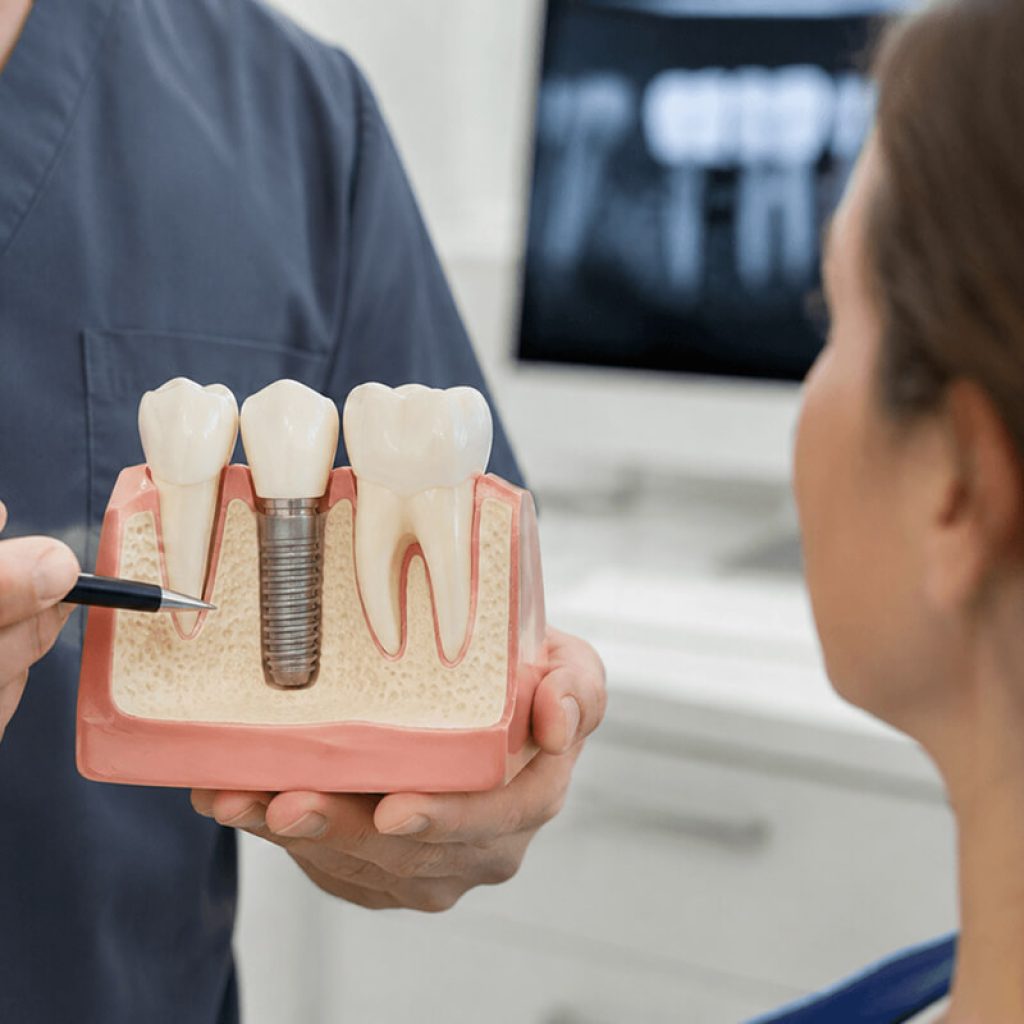
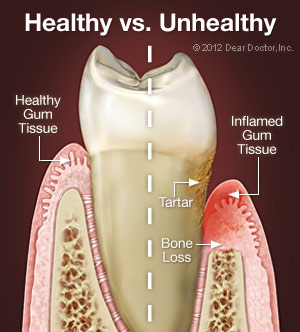
Almost all people who don’t maintain good daily oral hygiene develop gingivitis. Untreated this material gum infection can progress from gingivitis (“gingival” – gum, “itis” – inflammation) to periodontitis, resulting in bone loss around your teeth. As bone tissue is lost, gum tissue detaches from the teeth and forms little pockets that provide a better place for bacteria to live — where your tooth brush and floss can’t reach. The more advanced your periodontal disease the more bone is lost, which can result in tooth loss. Periodontal disease is genetic and tends to run in families. The good new though is that periodontal disease can be treated and controlled, even at very advanced stages.
Signs and Symptoms of Periodontal Disease
You have to understand that you can have no obvious symptoms and have periodontal disease, especially if you are a smoker (nicotine reduces blood supply preventing bleeding and swelling of the gun tissue). But, there are some important signs to look for:
- Bleeding gums — Some people think that when their gums bleed, it simply means they’re brushing too hard. While brushing too hard is bad for the gums, it should not cause bleeding. Any bleeding of the gums should be considered a warning sign of gum disease.
- Bad breath — It’s very easy for plaque to collect in the spaces between the teeth, creating the perfect living conditions for bacteria that produce odorous, sulfur-containing compounds, resulting in bad breath.
- Redness or swelling of the gums — Inflammation of the gums is usually the first visible sign of periodontal disease.
- Receding gums — If you notice that your teeth look longer than they used to, it may be that your gum tissue has receded (away from the enamel), exposing some of your tooth roots.
- Sensitivity — If there is gum recession, the exposed roots may become sensitive to hot or cold.
- Periodontal abscess — Bacteria can become enclosed in a periodontal pocket and the area will fill with pus, becoming swollen and painful.
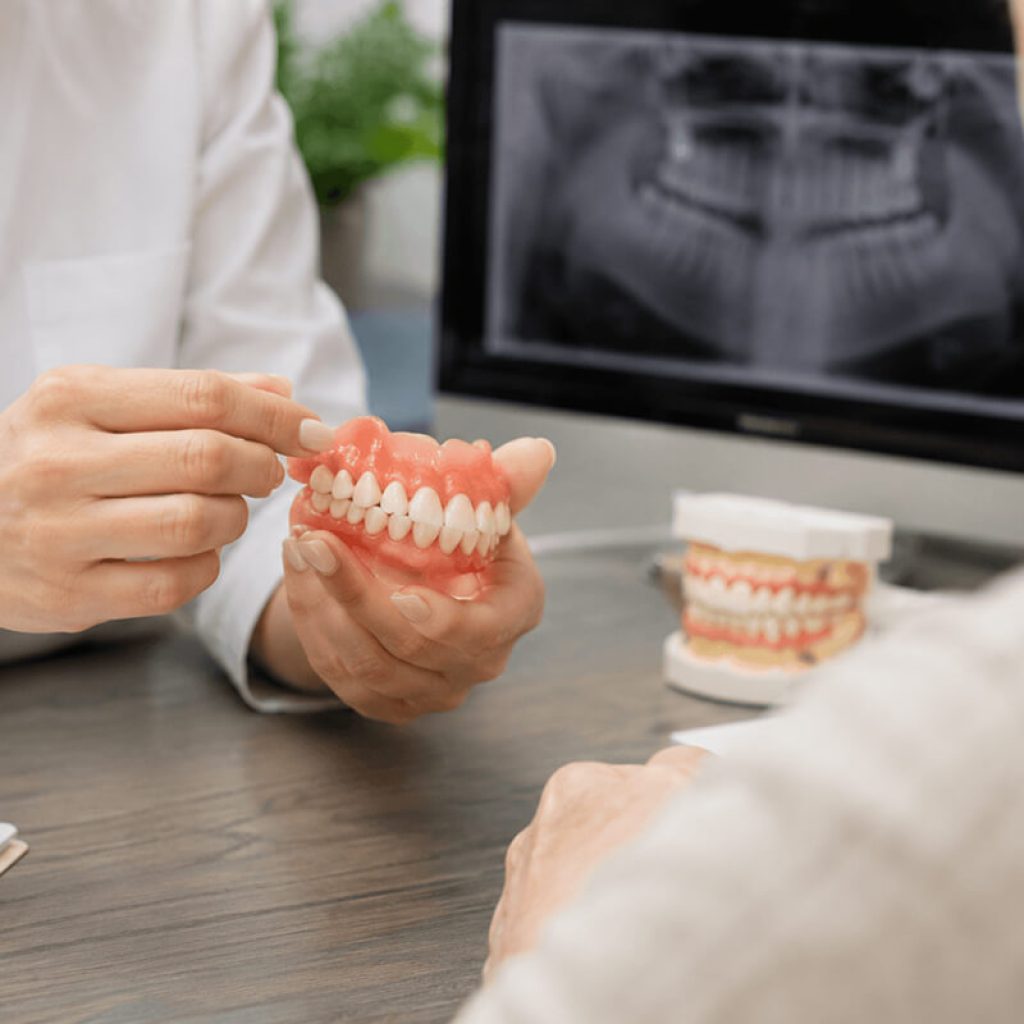
- Loose teeth — When periodontal disease results in bone loss, teeth can become loose or migrate. Tooth loss can result and may be accelerated if you are applying excessive biting forces from clenching or grinding your teeth.
Treatment Options
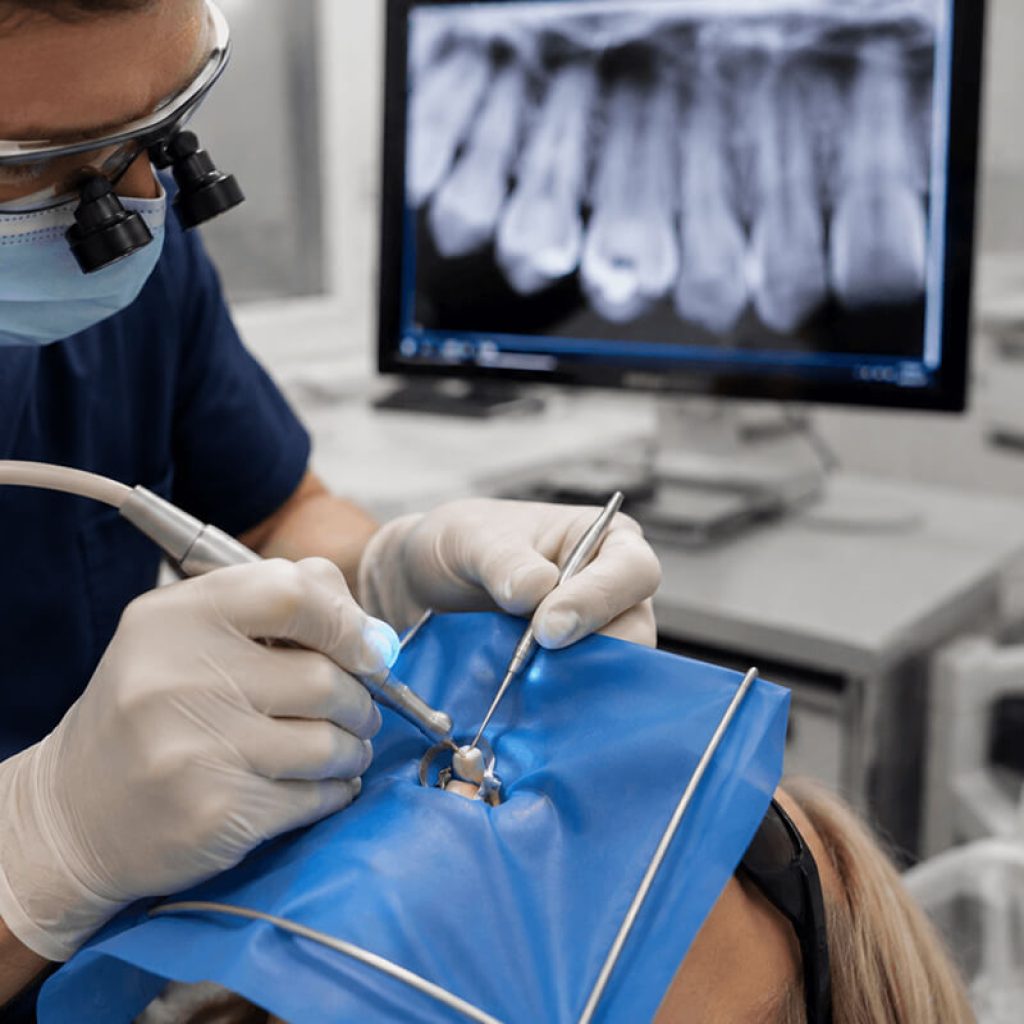
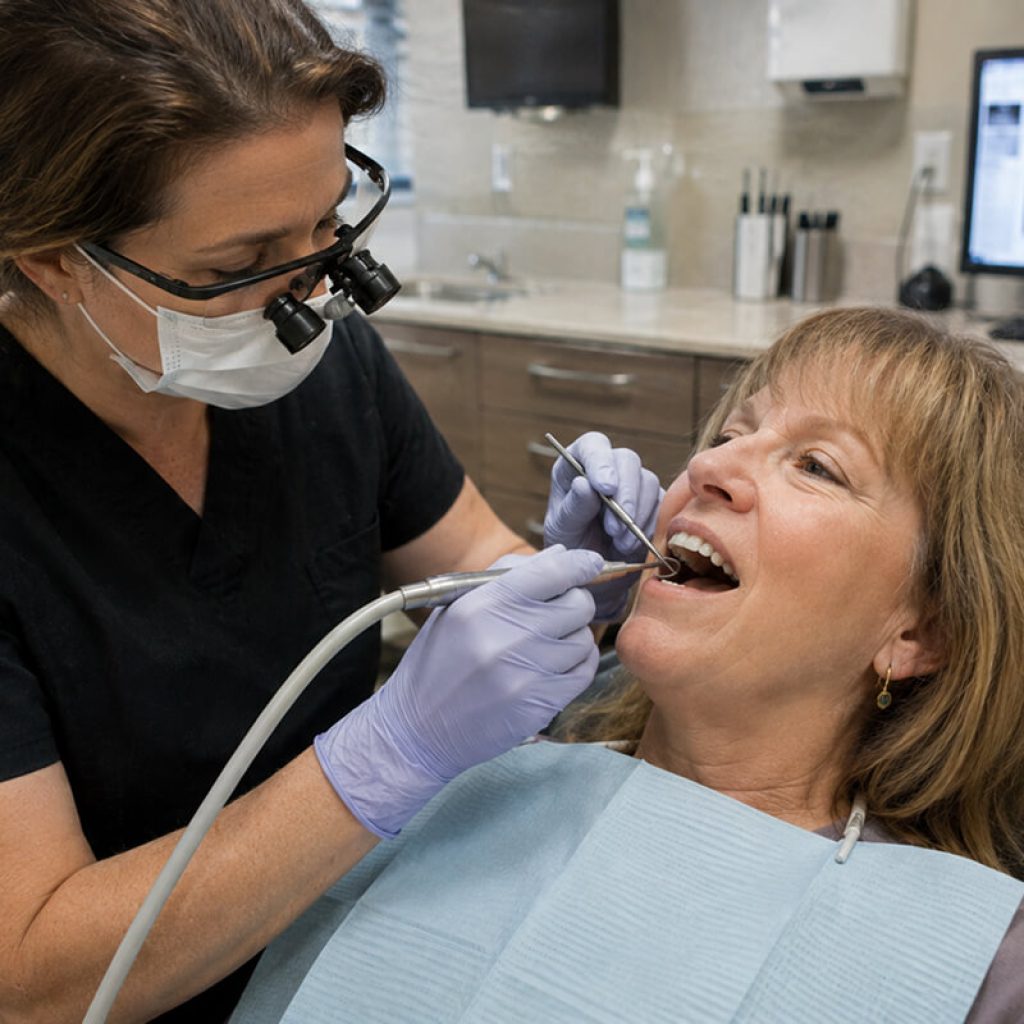
Periodontal treatment starts with the evaluation of your oral hygiene and information on improving it, followed by the removal of plaque and any calcified deposits (tartar or calculus) that are present on the root surfaces. A cleaning technique known as scaling, root planing or debridement is done using hand-held instruments and/or ultrasonic (high frequency vibrational) instruments. Local application of antimicrobial products or antibiotics may also be recommended during treatment of periodontal to assist in pocket-depth reduction and healing, in hopes to eliminate the need for periodontal surgery.
There are times when surgical procedures may be necessary remove the deep pockets in between inflamed gum tissue and your teeth.There are many different surgical procedures to handle a variety of the problems. Many times, to attempt to reduce the number of surgeries and cut costs of treatment, some of the procedures may be combined.
Periodontal Disease & Your Overall Health
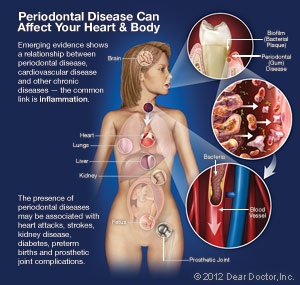
Periodontal disease starts in your mouth but has actually been linked to more serious illnesses, such as cardio-vascular disease (CVD), diabetes and premature births. Research shows two plausible mechanisms for how gum disease and other serious medical conditions could be related — moderate to severe periodontal disease increases the level of systemic (bodily) inflammation — chronic inflammatory diseases. And the same bacterial strains that are found in periodontal pockets surrounding infected teeth have been found in blood vessel plaques of individuals with CVD.
Preventive Strategies
The best way to prevent periodontal disease is to brush and floss your teeth effectively every day. Regular dental checkups and professional cleanings every 3 or 4 or 6 months are also an important part of maintaining periodontal health; the instruments and techniques used in these cleanings can reach into areas that your toothbrush and floss can’t.
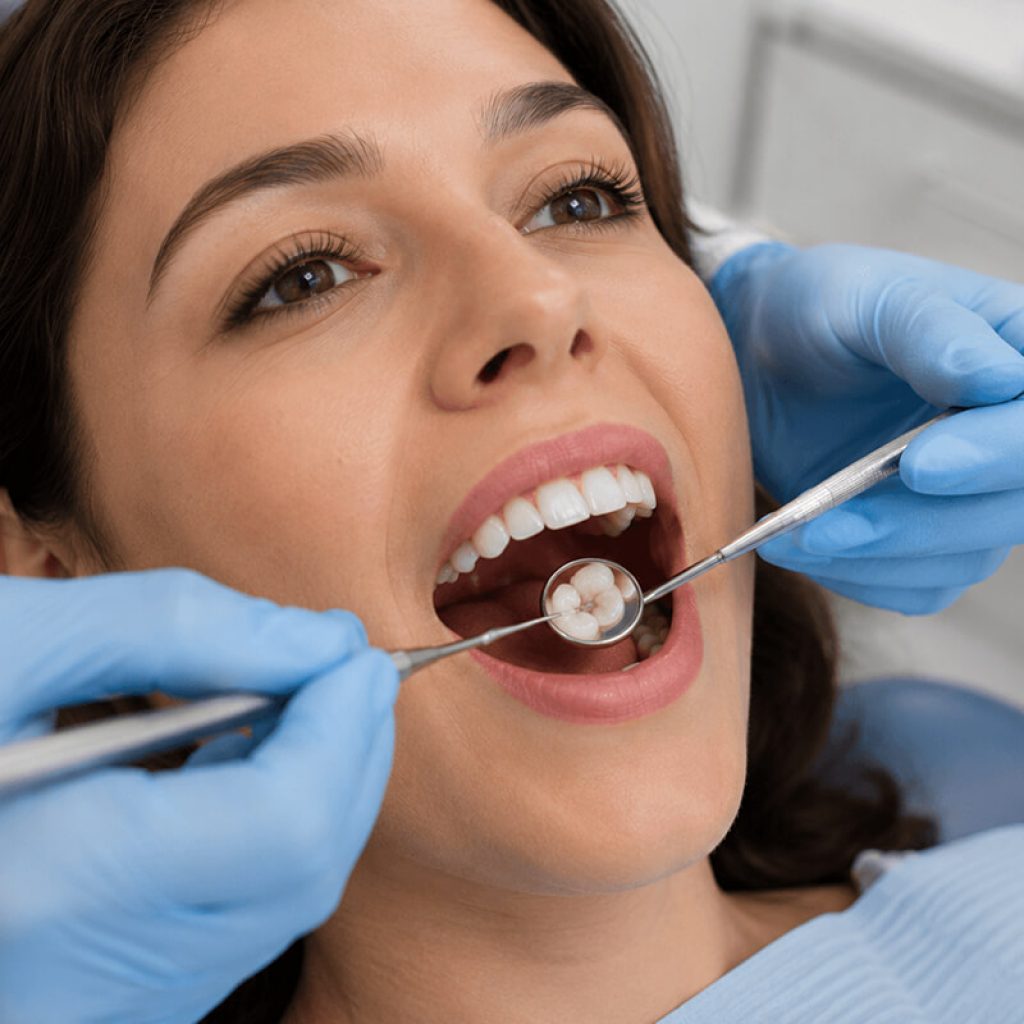
It is also possible to detect early forms of gum disease by evaluating your gingival (gum) tissues, both visually and by examining their attachment levels to the teeth. And the health of your tooth-supporting bone can be assessed by taking dental radiographs (x-rays pictures).
There are other steps you can take: Eating right, reducing stress in your life, and giving up unhealthy habits like smoking will also help ensure that you keep your teeth for a lifetime.